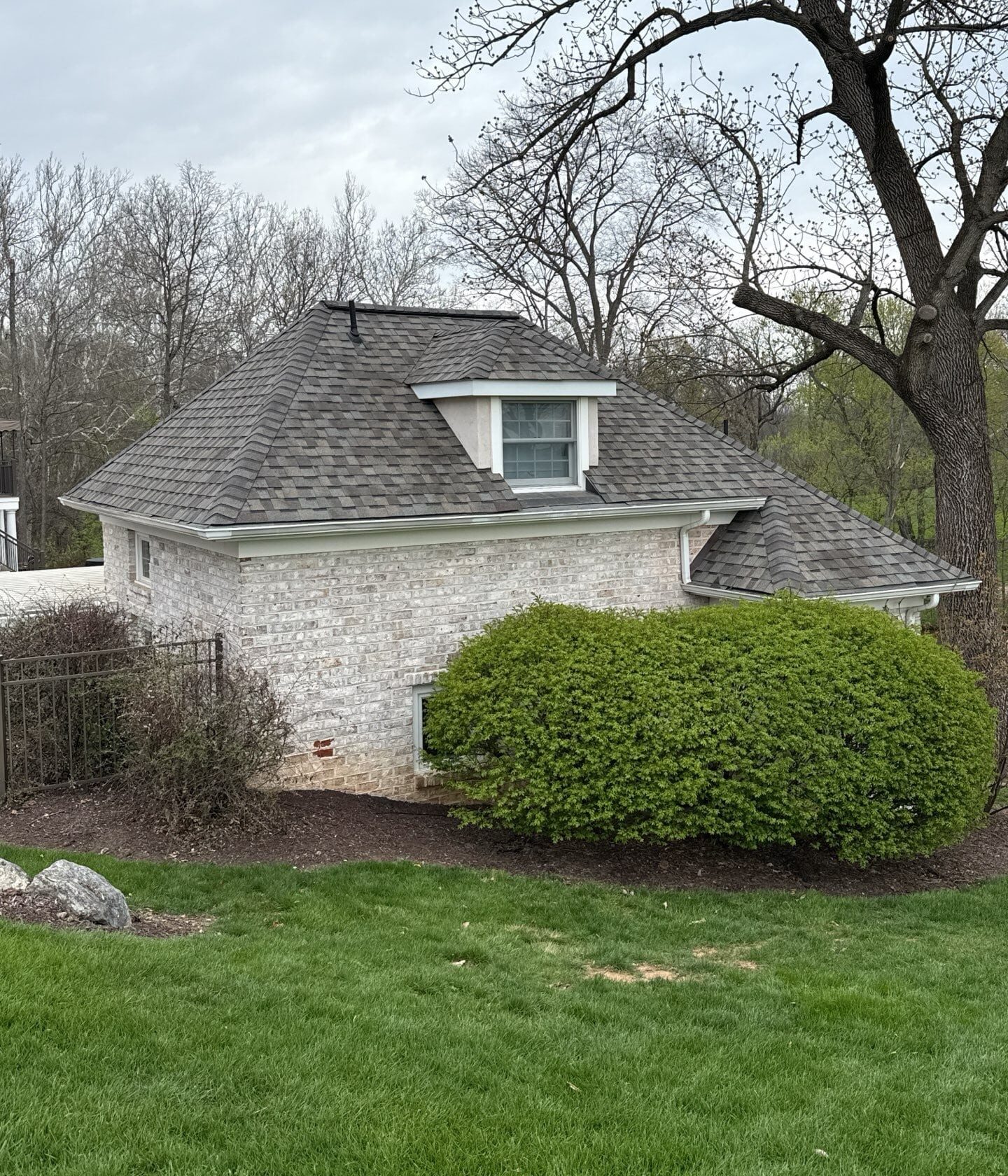

A roof replacement is a major home investment, but a useful budget starts with an honest answer: there is no single price that fits every Lancaster County home. Roof size, pitch, material, tear-off requirements, decking condition, ventilation, flashing details, and site access can move two apparently similar projects thousands of dollars apart.
For broad planning purposes, 2026 consumer cost data places many asphalt-shingle roof replacements somewhere between the mid-four figures and roughly $20,000. That range is a starting point, not a Roof Duck quote. A local inspection and written scope are the only reliable way to price your roof.
This guide explains the national benchmarks, the factors that affect Lancaster-area pricing, what should appear in a complete proposal, and how to compare estimates without choosing on price alone.
2026 roof replacement cost benchmarks
Angi’s 2026 roof replacement guide, updated March 5, reports an average professional roof replacement cost of $9,604. It lists a broad average of $4–$11 per square foot and an installed asphalt-shingle range of $5,800–$20,000.
HomeAdvisor’s 2026 shingle replacement guide, updated June 17, reports a typical shingle-roof range of $6,134–$13,984 and a broader installed range of $4–$12 per square foot.
These figures are national consumer benchmarks. They do not account for the exact labor, material, access, permit, or disposal conditions at a Lancaster property. Roof Duck uses industry pricing software that reflects current local labor and material costs, then builds the proposal around the actual roof and scope.
What changes the cost of a roof in Lancaster?
1. Roof size and measured surface area
Roofers commonly measure roofing in “squares.” One roofing square equals 100 square feet of roof surface. A 2,000-square-foot house does not necessarily have a 2,000-square-foot roof. Pitch, overhangs, attached garages, porches, dormers, and additions all change the measured surface.
A professional measurement should account for the complete roof plane and a reasonable material allowance for cuts and installation.
2. Pitch, height, and access
Steeper roofs require additional safety controls and can slow installation. Multi-story homes, narrow driveways, landscaping, power lines, and limited space for material delivery or debris containers can also affect labor and setup.
3. Tear-off and disposal
The existing roof must usually be removed before the deck can be inspected and the new system installed. Multiple layers, heavy materials, difficult access, and disposal requirements increase the work involved. A proposal should state whether tear-off, hauling, and disposal are included.
4. Decking condition
Decking can look acceptable from the attic or exterior and still reveal soft, damaged, or poorly fastened areas after tear-off. Because the condition is partly hidden, a responsible proposal should explain how replacement decking is priced if it becomes necessary.
5. Shingle or metal selection
Architectural asphalt shingles are a practical choice for many Lancaster County homes. Metal can provide a longer service life and a distinct appearance, but material and installation requirements differ. Product line, color, impact rating, accessory components, and eligible warranty coverage all affect the final scope.
Roof Duck explains both the visible material and the complete roofing system, including underlayment, flashing, ventilation, decking, and water-shedding details.
6. Roof complexity
Valleys, dormers, chimneys, skylights, walls, low-slope transitions, and multiple roof levels require additional flashing and detail work. These areas are also common leak points, so correct installation matters more than rushing through them.
7. Ventilation and attic conditions
A replacement is the right time to evaluate intake and exhaust ventilation. Inadequate ventilation can contribute to moisture, heat buildup, and premature material wear. The proposal should explain any ventilation changes rather than treating vents as an afterthought.
8. Permits and local requirements
Permit requirements can differ between the City of Lancaster and surrounding boroughs and townships. Structural work can also change what is required. Your contractor should confirm the rules for the property’s municipality before work begins. City residents can start with the City of Lancaster forms and permits page or contact the city for current guidance.
9. Warranty coverage
Material and workmanship coverage are not the same. Product eligibility, approved installation methods, contractor credentials, registration, transfer terms, and exclusions can all affect the protection you receive. Review our roof warranty guide before comparing proposals.
What should a complete roof replacement estimate include?
A low total is not helpful if important work appears later as an extra. Ask for a written proposal that addresses:
- Measured roof area and project scope
- Existing-material removal and disposal
- Selected roofing material and product line
- Underlayment and water-protection components
- Flashing at walls, chimneys, valleys, and penetrations
- Ventilation components and planned changes
- Decking inspection and unit pricing for necessary replacement
- Drip edge, pipe boots, vents, and other accessories
- Property and landscape protection
- Cleanup and magnetic nail collection
- Expected schedule and weather contingencies
- Payment schedule
- Manufacturer and workmanship warranty details
- Permit responsibility when required
How to compare roofing proposals fairly
Put the scopes side by side before comparing totals. One proposal may include tear-off, ventilation, flashing, cleanup, and warranty registration while another leaves those items unclear. Ask each contractor to explain exclusions and allowances in writing.
Also verify insurance, Pennsylvania registration requirements, manufacturer credentials, and recent project examples. Roof Duck’s project portfolio shows completed work across Central Pennsylvania.
The goal is not to choose the highest or lowest number automatically. It is to identify the proposal that clearly explains what is being installed, why it is appropriate for the home, and what happens if hidden conditions are found.
Repair or replacement: which is more cost-effective?
A repair may be appropriate when damage is isolated and the remaining roof is in serviceable condition. Replacement becomes more likely when wear is widespread, leaks keep returning, the roof is sagging, decking damage is extensive, or the system is near the end of its expected life.
Start with a professional roof inspection if the right scope is unclear. For isolated damage, review Roof Duck’s residential roof repair service. For system-wide wear, see the Lancaster roof replacement process.
Can insurance pay for a roof replacement?
Homeowners insurance may cover qualifying sudden damage from a covered event, subject to the policy, deductible, exclusions, and insurer’s determination. It generally does not pay for normal aging or neglected maintenance.
Document suspected storm damage promptly and read your policy before assuming coverage. Roof Duck can inspect and document visible conditions, but only the insurer can determine whether a claim is covered.
Roof financing options
Roof Duck offers payment options through Wisetack for approved customers. The current program lists projects up to $25,000, terms from 3–60 months, and APR options from 0%–35.9%, subject to credit approval and current lender terms. Checking options does not impact your credit score.
Review the full disclosures on Roof Duck’s financing page before applying.
Ways to plan your budget without cutting essential scope
- Schedule an inspection before an active leak becomes interior damage.
- Ask for good, better, and best material options using the same complete installation scope.
- Separate necessary roofing work from optional exterior upgrades.
- Review existing warranty and insurance information before signing.
- Confirm financing terms based on total repayment, not only the monthly payment.
- Keep a contingency for hidden decking or structural conditions.
Frequently asked questions
How much does a roof replacement cost in Lancaster, PA?
National 2026 benchmarks commonly place asphalt-shingle replacement between the mid-four figures and roughly $20,000, but Lancaster pricing depends on the measured roof, pitch, access, tear-off, decking, material, ventilation, flashing, and local requirements. An inspection and written scope provide the reliable number.
Can I estimate roof cost from my home’s square footage?
Only roughly. Interior square footage does not equal roof surface area. Roof pitch, overhangs, garages, porches, dormers, and additions change the measured roofing area.
Why are two roofing estimates so different?
The scopes may not match. Compare tear-off, disposal, underlayment, flashing, ventilation, accessories, decking allowances, cleanup, warranties, and permit responsibility before comparing totals.
How long does replacement take?
Many standard residential replacements can be completed in one to two days. Larger roofs, complex details, weather, and decking repairs can extend the schedule.
Does Roof Duck provide free estimates?
Yes. Roof Duck provides free estimates for homeowners in Lancaster County and across its Central Pennsylvania service area.
Get a roof-specific price
Online guides are useful for planning, but your roof deserves a scope based on its actual condition. Roof Duck measures the roof, reviews the system, explains the options, and prices the project using current local labor and material information.
Request your free roof replacement estimate or call 717-361-9967.
Cost information was reviewed July 15, 2026. Third-party ranges can change and do not constitute a Roof Duck proposal. Financing is subject to credit approval and provider terms.